Kenya Positions for US$3 Billion Electric Mobility Investment to Drive Manufacturing and Green Industrialisation
NAIROBI, Kenya – Kenya is advancing its ambition to become a regional hub for electric mobility manufacturing following the signing of a Memorandum of Understanding (MoU) between the Government of Kenya and Endelevu Enterprise Corporation for a proposed US$3 billion investment in an integrated electric-mobility ecosystem.
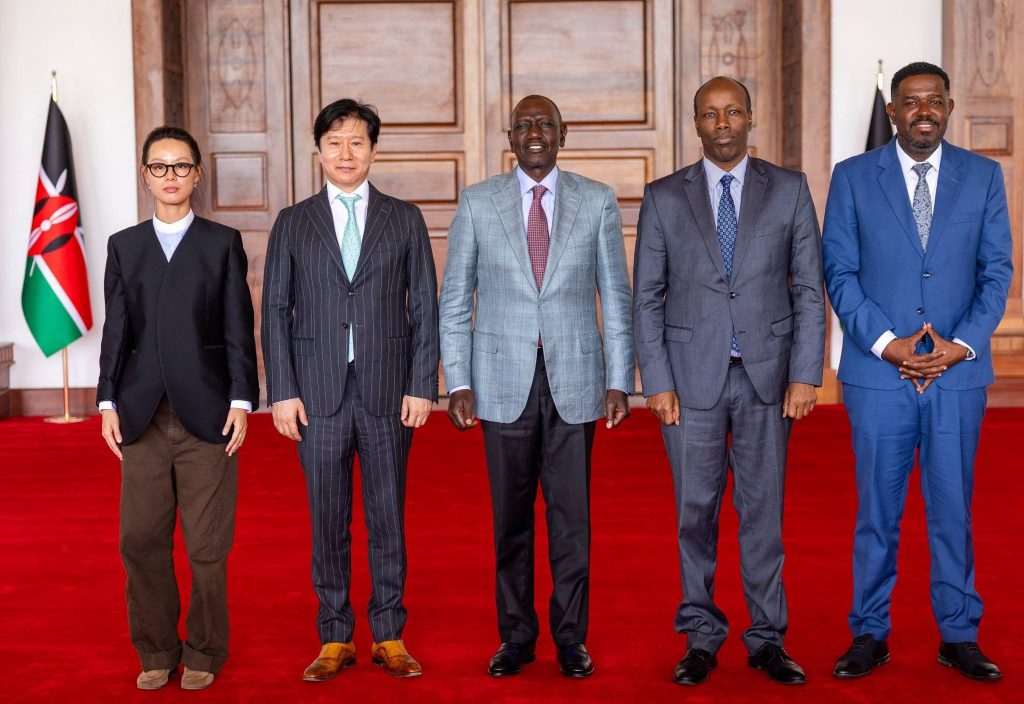
The agreement was signed at State House in the presence of H.E. President William Samoei Ruto, PhD, Cabinet Secretaries and other dignitaries, signalling a significant step towards positioning Kenya as a destination for investment in sustainable transport, clean energy and advanced manufacturing.
The proposed investment will support the production of 50,000 four-wheel vehicles and 100,000 two-wheelers and other light-mobility vehicles, alongside the development of 1,000 solar-powered charging hubs. The integrated project presents an opportunity to strengthen domestic manufacturing capacity, accelerate the transition to cleaner transport and attract investment into emerging green industries.
Beyond vehicle production, the project could stimulate investment across the wider electric-mobility value chain, including component manufacturing, battery systems, renewable energy, charging infrastructure, logistics, maintenance and technical services. These linkages offer opportunities for Kenyan manufacturers, suppliers, entrepreneurs and technology firms to participate in a rapidly evolving global industry.
The scale of the proposed investment also places local industrial capacity, employment and skills development at the centre of its potential economic impact. Increased manufacturing activity could generate demand for specialised technical skills, facilitate technology transfer and create opportunities for Kenyan enterprises to supply goods and services to the emerging industry. Strengthening local supply chains will be important in maximising domestic value addition and ensuring that the benefits extend beyond vehicle assembly.
Kenya’s renewable energy capacity further strengthens its proposition for electric-mobility investment. With approximately 93 per cent of its electricity generation coming from renewable sources, the country offers a strong foundation for developing an electric-mobility ecosystem aligned with lower-carbon industrial growth. The proposed solar-powered charging hubs could complement this advantage by supporting charging infrastructure and expanding the ecosystem required for electric vehicle adoption.
The investment aligns with Kenya’s broader ambition to attract capital into manufacturing, renewable energy and sustainable infrastructure. As global markets accelerate the transition towards electric vehicles, countries that combine clean energy, skilled labour, enabling infrastructure and access to regional markets are well positioned to attract new industrial investments.
For Kenyan businesses, the proposed project could open opportunities for partnerships with international investors, participation in regional and global supply chains, and the development of local expertise in electric-mobility technologies. Realising this potential will depend on effective project implementation, supportive infrastructure, workforce readiness and deliberate efforts to integrate local enterprises into the emerging value chain.
Invest Kenya will continue to play its role in facilitating investment by connecting investors with relevant opportunities, strategic partnerships and institutional support to establish and expand their operations in Kenya.
The proposed US$3 billion investment underscores Kenya’s potential to turn the global shift towards electric mobility into an engine for industrialisation. By linking manufacturing, renewable energy and enterprise development, Kenya can attract strategic capital, strengthen local industries and create lasting economic value.