Invest Kenya CEO Calls for Stronger Private Sector Role in Developing Kenya’s Future Workforce
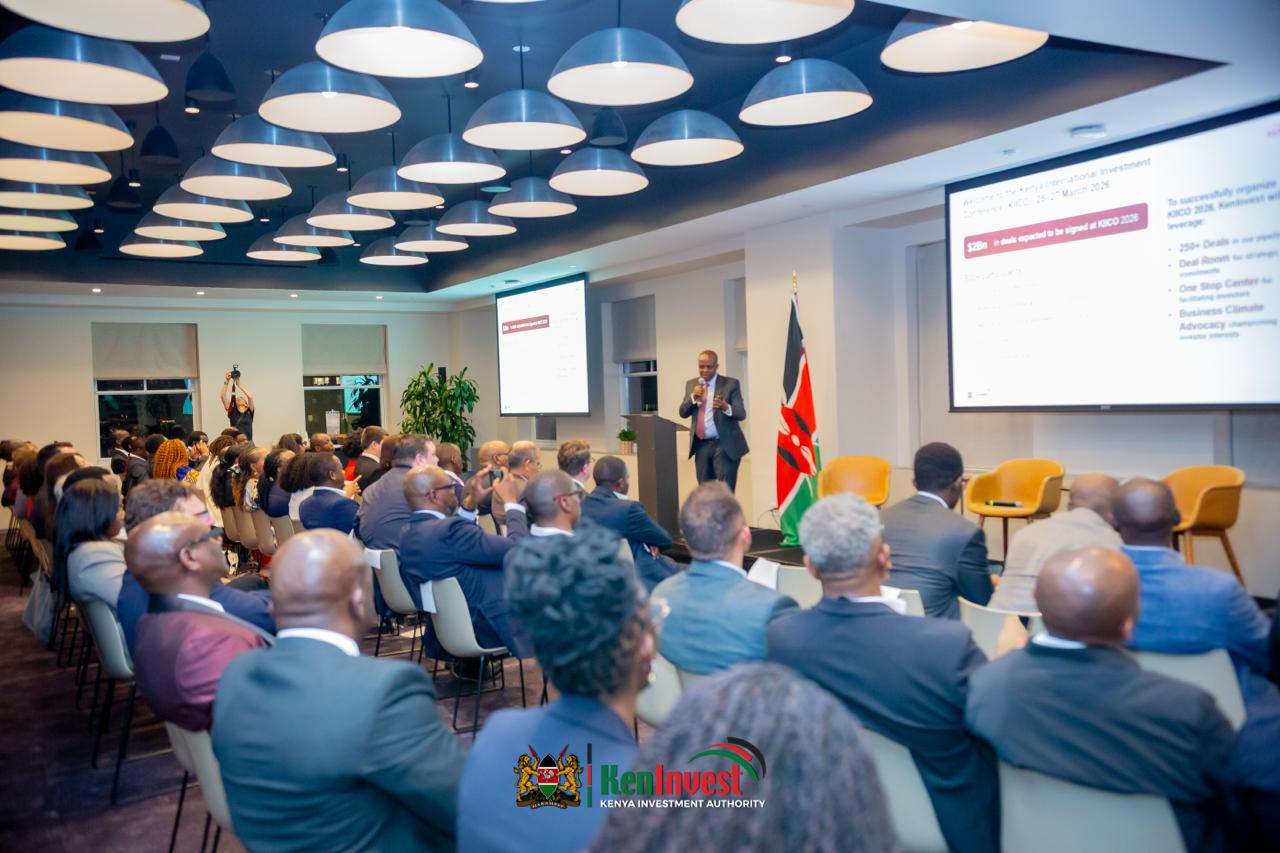
 – Business leaders at The Debate Circle’s inaugural CEO Breakfast explored the role of the private sector in equipping young people with the skills needed to thrive in a rapidly changing economy, with Invest Kenya Chief Executive Officer, Mr. John Mwendwa, joining discussions on financial literacy, critical thinking, leadership and the future of work.
The engagement highlighted a growing priority for Kenya’s investment agenda: ensuring that the country’s workforce evolves alongside the changing demands of business, technology and global markets.
Kenya attracted approximately US$3.2 billion in foreign direct investment (FDI) in 2025, representing a 38 per cent increase from 2024 and the country’s highest recorded annual inflow. Sustaining this momentum will require more than an attractive investment environment. It will depend on the availability of skilled talent, a productive workforce and the capacity of local enterprises to compete in increasingly sophisticated global value chains.
For investors evaluating where to establish operations, expand production or locate regional headquarters, access to talent is a critical consideration. A workforce equipped with technical expertise, financial literacy, critical thinking and leadership capabilities can improve productivity, accelerate innovation and strengthen business competitiveness.
Kenya’s young population presents a significant opportunity to build this competitive advantage. However, translating demographic potential into economic growth requires deliberate investment in skills development, industry-relevant education and practical business exposure. Stronger collaboration between employers, educational institutions and government is essential to ensure that the skills young people acquire align with the demands of a changing economy.
The private sector has a particularly important role in this process. Through mentorship, internships, workplace training and knowledge sharing, businesses can help prepare young people for emerging employment opportunities while developing the talent pipelines needed to support their own expansion. Strengthening financial literacy and entrepreneurial skills can also encourage enterprise creation, improve business sustainability and deepen domestic investment.
The urgency is growing as artificial intelligence and emerging technologies reshape industries, automate routine tasks and create demand for new technical, analytical and problem-solving capabilities. Economies that anticipate these changes and invest in adaptable talent will be better positioned to attract technology-driven investments, support business expansion and capture opportunities in high-growth sectors.
For Kenya, this presents an opportunity to strengthen its position as a regional investment destination across sectors such as business process outsourcing, digital services, manufacturing and financial services. A competitive talent base can help investors access the capabilities required to establish and scale operations, while enabling Kenyan professionals and enterprises to participate in higher-value economic activities.
Beyond attracting new capital, developing human capital is equally important in ensuring that investment translates into sustainable economic outcomes. A workforce aligned with industry needs can strengthen local supply chains, support technology transfer, improve enterprise productivity and create opportunities for more Kenyans to participate in economic growth.
Invest Kenya recognises human capital as a key pillar of the country’s investment competitiveness. Alongside infrastructure, market access, policy predictability and an enabling business environment, the development of industry-relevant skills remains essential to investor confidence and long-term business growth.
The discussions at The Debate Circle’s CEO Breakfast reinforced the importance of bridging the gap between education and industry, with mentorship, practical learning and exposure to real-world business environments helping to prepare young people for the opportunities and demands of the modern economy.
As Kenya seeks to sustain its investment momentum, the next frontier is ensuring that capital finds the talent, skills and capabilities required to turn opportunities into productive businesses, quality jobs and lasting economic growth